
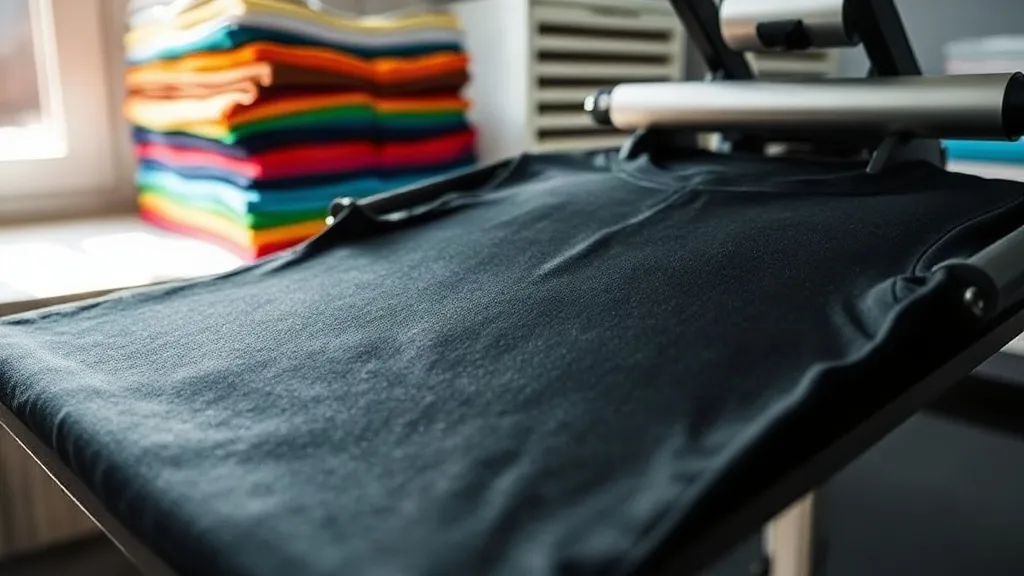
Flat prints look clean, but they don't turn heads the way a raised, tactile design does. Puff and foam dtf transfers give you that dimensional look without the mess of screen-printing puff additive or the expense of embroidery. The catch? They behave differently from standard dtf films, and if you press them like a regular transfer, you'll end up with a flattened, cracked, or shiny mess. This guide walks through the practical side of puff and foam DTF: what they are, which blanks work, how to set your press, and how to troubleshoot the issues that pop up most often.
What Are Puff and Foam DTF Transfers?
Puff and foam DTF transfers are printed with a special thermoplastic powder that expands when heated. Instead of a flat ink layer, you get a raised, spongy texture that stands up from the fabric. The effect can range from a subtle 1 mm lift to a bold 3 mm or more, depending on the powder and your pressing conditions. Foam transfers are a close cousin: they use a foam-based powder that expands more uniformly and tends to have a slightly softer hand.
The key difference from standard DTF is in the powder application stage. Standard DTF uses a fine adhesive powder that melts into a flat film. Puff powder is coarser and formulated to expand. That means the transfer you receive from a supplier should already have the puff powder applied and cured. If you're printing in-house, you'll need a dedicated puff powder shaker and careful control of the powder coverage.
Choosing the Right Blank for Puff and Foam
Not every garment plays nice with raised transfers. The fabric needs to handle the heat and provide enough grip for the expanded powder to anchor. Here's what works and what doesn't.
Best Blanks for Puff
- 100% cotton and cotton-rich blends: The natural fibers give the powder something to bite into, and the fabric can take the higher press temperatures without scorching.
- Heavyweight tees and fleece: A sturdy blank won't distort under the pressure needed to set the puff. Thin, lightweight shirts tend to stretch and cause the transfer to shift.
- Canvas and denim: These dense fabrics hold the raised texture beautifully and can handle aggressive pressing.
Blanks to Avoid
- High-stretch synthetics: Polyester and spandex blends can melt or glaze under puff pressing temperatures. If you must use them, test a scrap first.
- Moisture-wicking performance wear: The coatings on these fabrics often prevent proper adhesion, and the puff may peel after a few washes.
- Delicate or heat-sensitive fabrics: Nylon, rayon, and anything with a low heat tolerance will likely scorch before the puff fully expands.
If you're sourcing blanks for a puff project, look for a supplier that lists fabric weight and heat tolerance. A 6.0 oz cotton tee is a safer bet than a 4.0 oz ring-spun, which can stretch under the press.
Pressing Parameters That Actually Work
Puff and foam transfers need more heat, more pressure, and a different peel than standard DTF. Here's a starting point, but always run a test press on a scrap garment before committing to a full run.
Temperature
Most puff powders activate between 320°F and 340°F (160°C to 170°C). Foam powders often need a slightly lower range, around 300°F to 320°F. Check the supplier's spec sheet, because formulations vary. Too low, and the puff won't expand; too high, and the powder can scorch or turn brittle.
Pressure
Medium to firm pressure is essential. You want the transfer to make full contact with the fabric so the powder expands evenly. If your press has a pressure gauge, aim for 40 to 60 psi. Without a gauge, adjust until the platens close firmly but don't force the garment to compress more than necessary.
Time
Start with 10 to 15 seconds for the press. Some puff powders need a second press after peeling to fully expand. A common workflow is: press for 8 seconds, peel warm, then press again for 5 to 8 seconds to activate the puff. This two-step method gives you more control and reduces the risk of over-flattening.
Peel
Most puff transfers are warm peel. Wait a few seconds after lifting the press, then peel the carrier sheet in one smooth motion. If the transfer is still hot, the powder can stretch and distort. If it's too cold, the carrier may stick and tear the puff.
Troubleshooting Common Puff and Foam Issues
Even with the right settings, things go wrong. Here's how to diagnose and fix the most frequent problems.
Puff Not Expanding
If the design stays flat, the temperature was likely too low or the press time too short. Increase heat by 10°F and add 2 seconds, then test again. Also check that your powder is fresh; old powder absorbs moisture and loses its expansion properties.
Puff Over-Expanding and Cracking
Too much heat or pressure can cause the puff to balloon and then crack when stretched. Back off the temperature and reduce pressure slightly. A cracked puff usually means the powder expanded beyond its elastic limit, so a more moderate press is the fix.
Transfer Peeling After Wash
This often comes down to insufficient pressure or pressing on a fabric that doesn't grip the powder. Make sure the garment is pre-pressed to remove moisture, and use a firm pressure. If the fabric is a stretchy blend, consider a different blank or add a tack stitch around the edge for extra security.
Shiny or Glossy Finish
Some puff powders develop a sheen when over-pressed. If you want a matte look, lower the temperature and avoid pressing the transfer directly against a hot platen without a cover sheet. A Teflon sheet can help distribute heat more evenly.
Design Considerations for Raised Transfers
Puff and foam work best with bold, simple shapes. Fine lines and small text can fill in or lose definition when the powder expands. Aim for line weights of at least 2 mm and avoid tiny isolated details. If you need both fine detail and puff, consider a hybrid design where the puff is a background element and the fine details are standard DTF.
Also think about placement. Raised transfers can feel stiff on large areas, so keep puff designs to smaller chest prints, sleeve hits, or pocket logos. Full-back puff prints are possible but can be heavy and uncomfortable.
Sourcing Puff and Foam Transfers
If you're not set up to print puff in-house, ordering from a supplier that specializes in these effects is the practical route. When you search for dtf transfers near me, pay attention to whether they offer puff and foam as a distinct product line. Not all DTF shops do. Ask about powder type, recommended press settings, and wash durability. A good supplier will provide a spec sheet and may even send a sample pack so you can test before committing to a bulk order.
For shops that want to add puff to their menu, the learning curve is manageable. Start with simple designs on cotton tees, dial in your press, and expand from there. The visual impact of a raised print is worth the extra attention to detail.
Frequently Asked Questions
Can I use a regular heat press for puff DTF transfers?
Yes, a standard heat press works, but you need reliable temperature and pressure control. Clamshell presses can be trickier because the pressure isn't always even across the platen. A swing-away press gives more consistent results for puff.
How many washes will a puff DTF transfer survive?
With proper application, most puff transfers last 25 to 50 washes. Wash inside out in cold water and tumble dry low. Avoid ironing directly on the puff, as heat will flatten it.
Can I layer puff DTF with regular DTF?
You can, but it requires planning. Press the regular DTF first, then apply the puff on top or beside it. Keep in mind that the puff will sit higher, so avoid overlapping edges that could catch during washing.
Why does my puff transfer look flat after pressing?
The most common causes are low temperature, short press time, or insufficient pressure. Try a second press cycle and verify your press temperature with an infrared thermometer.
Is puff DTF suitable for kids' clothing?
Yes, as long as the design is safe and the puff is properly adhered. Avoid small, detachable pieces. Puff transfers are durable, but always follow the supplier's recommended settings for children's garments.