
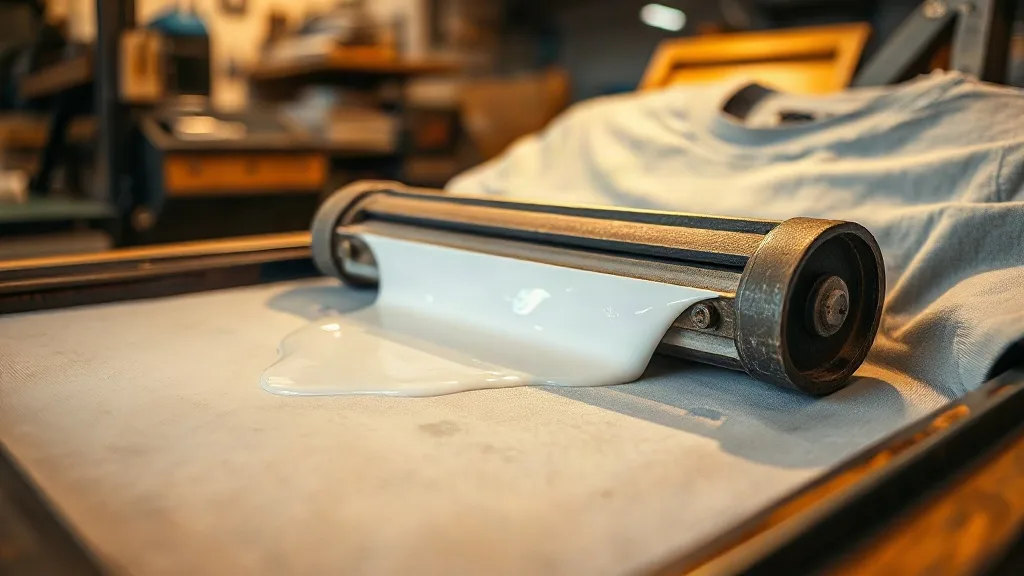
You've probably noticed that shaka wear tees feel different the moment you pull one from the box. The fabric is dense, the hand is substantial, and the surface has a tight knit that almost repels ink if you treat it like a standard 5.3 oz jersey. That difference is exactly why screen printers who run a lot of shaka wear eventually develop a separate set of parameters for these blanks. It's not that the shirts are difficult; they just demand respect for their weight and construction. In this guide, I'll share the adjustments I've made in my own shop after printing thousands of these tees, from mesh selection to curing temperatures, so you can avoid the common pitfalls and get the most out of every piece.
Why Shaka Wear Tees Behave Differently Under the Squeegee
Most shaka wear styles are built on 100% cotton, often in the 6.5 to 7.5 oz range. That heavier yarn creates a thicker fabric with less flexibility than a lightweight ring-spun tee. When the squeegee pushes ink across the screen, the fabric doesn't compress as much, so the ink deposit tends to sit higher on the surface. This can be a blessing for opacity, but it also means you need to be more deliberate about mesh choice and ink viscosity. If you use a standard 110 mesh with a thick plastisol, you'll end up with a print that feels like a plastic patch and may crack after a few washes. The key is to match your screen to the fabric's texture, not fight it.
Choosing the Right Ink for Heavyweight Cotton
Not all inks are created equal on dense cotton. Here's how I break down my ink selection for shaka wear jobs.
Plastisol: Still the Workhorse, But Thin It
Plastisol remains the most forgiving ink for these tees, especially for bold graphics. However, out of the bucket it's often too thick for the tight knit. I recommend adding a small amount of curable reducer (no more than 5% by weight) to improve flow without sacrificing opacity. This helps the ink penetrate the fabric slightly, reducing the raised, rubbery feel. For detailed work, consider using a lower durometer plastisol, which stretches with the fabric and resists cracking.
Water-Based and Discharge: A Natural Fit
Water-based inks soak into the cotton fibers, leaving a soft hand that suits the vintage aesthetic many streetwear brands want. On shaka wear tees, water-based inks perform beautifully because the heavy fabric can absorb more liquid without bleeding through to the back. Discharge inks are particularly effective on 100% cotton, but keep in mind that some shaka wear colors may contain polyester blends or dyes that resist discharge. Always test on a spare blank before running a full production.
Specialty Inks: High Build and Puff
High-density and puff inks can work on heavyweight tees, but they require careful curing to avoid a brittle finish. Because the fabric is less forgiving, any over-curing will make the print feel like a shield. Use a lower temperature and longer dwell time to fully fuse the ink without scorching the cotton.
Mesh Count and Tension: The Sweet Spot for Dense Fabric
Mesh selection is where many printers get tripped up. A 110 or 156 mesh is common for standard tees, but on shaka wear I often drop to a 156 or 200 for detail and use a 110 only for bold, one-color prints where opacity is critical. Higher mesh counts (200-305) work well with water-based inks and fine details, but you'll need to adjust your squeegee pressure and speed. Because the fabric doesn't compress, you can use a slightly higher off-contact distance (around 1/8 inch) to allow the screen to snap off cleanly. Always ensure your screens are properly tensioned (at least 25 newtons) to maintain registration on these heavier garments.
Curing Shaka Wear Prints Without Scorching
Curing is non-negotiable, but overheating is a real risk with dense cotton. The fabric acts as an insulator, so the ink may reach the required temperature while the cotton underneath is already scorched. I use a heat gun to monitor the ink surface temperature, aiming for 320°F (160°C) for plastisol. For water-based inks, you need to reach 300-320°F for a full minute to ensure proper cross-linking. A conveyor dryer with a longer dwell time (around 90 seconds) is safer than a flash cure for these tees. If you're using a heat press to cure, set it to 320°F with medium pressure for 20-30 seconds, but be aware that the thick fabric may require a longer press to fully cure the ink.
Heat Press Settings for Transfers and DTF on Shaka Wear
Many shops now use DTF transfers or heat-applied vinyl for small runs. The heavyweight nature of shaka wear tees means you need to adjust your press settings to ensure adhesion without flattening the fabric. For DTF, I recommend 300°F for 15 seconds with medium-heavy pressure, but pre-press the shirt for 5 seconds to remove moisture. For vinyl, 305°F for 10-15 seconds works well, but peel cold to avoid stretching the fabric. Always use a Teflon sheet or parchment paper to protect the print and the shirt surface.
Common Pitfalls and How to Avoid Them
Even experienced printers run into issues when switching to shaka wear. Here are the most frequent problems and their solutions.
- Ink cracking: Usually caused by an ink deposit that's too thick or under-curing. Try a higher mesh count and ensure proper curing.
- Bleed-through: Heavy cotton can wick ink to the back if you use too much pressure or thin ink. Use a higher mesh and reduce squeegee pressure.
- Off-contact issues: The fabric's density can cause the screen to stick. Increase off-contact slightly and use a sharper squeegee.
- Scorching: Monitor dryer temperature and use a laser thermometer to check the ink surface, not the fabric.
Pairing Shaka Wear with Smart Blanks for a Balanced Product Line
While shaka wear excels in heavyweight tees, many brands also need lighter options for summer drops or women's fits. That's where smart blanks come in. These blanks offer a softer hand and a more relaxed drape, making them ideal for retail-ready pieces that don't require the armor-like feel of a 7 oz tee. By stocking both, you can cater to different customer preferences without compromising on quality. I often recommend smart blanks for fashion-forward cuts and shaka wear for core streetwear silhouettes. The key is to test print both and adjust your process accordingly.
Frequently Asked Questions
Can I use standard plastisol on Shaka Wear tees without modifying my process?
You can, but you may not get the best results. Standard plastisol is often too thick for the dense knit, leading to a heavy hand and potential cracking. Adding a curable reducer and using a higher mesh count will improve the feel and durability.
What's the best way to cure water-based ink on heavyweight Shaka Wear tees?
Water-based inks require thorough curing to ensure wash-fastness. Use a conveyor dryer with a dwell time of at least 90 seconds at 320°F, or a heat press at 320°F for 30 seconds with medium pressure. Always verify with a heat gun that the ink reaches temperature.
How do I prevent scorching when curing prints on Shaka Wear?
Scorching happens when the fabric gets too hot. Use a lower dryer temperature with a longer dwell time, and monitor the ink surface temperature with a laser thermometer. Avoid direct contact between the heating element and the fabric.
Is Shaka Wear suitable for discharge printing?
Yes, many shaka wear styles are 100% cotton and take discharge well. However, some colors may have polyester content or dye lots that resist discharge. Always test on a sample before production.
Can I use heat transfer vinyl on Shaka Wear tees?
Absolutely. HTV adheres well to heavyweight cotton, but you need to adjust your press settings. Use a temperature of 305°F for 10-15 seconds with medium pressure, and always pre-press the shirt to remove moisture. Cold peel is recommended to avoid stretching the fabric.