
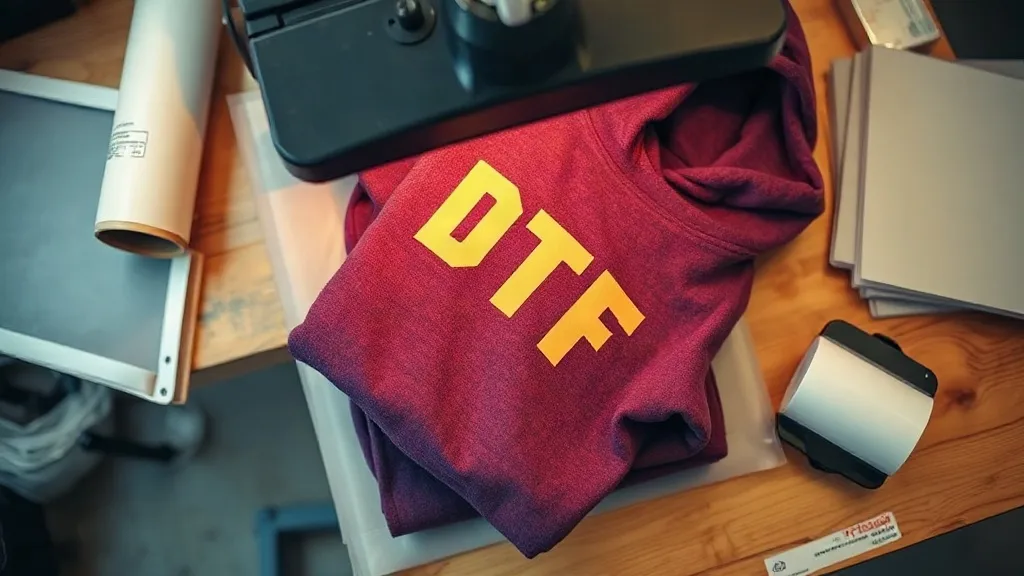
Fleece is one of those fabrics that feels like it should be easy to decorate, yet it trips up plenty of press operators. The surface is soft, lofty, and full of tiny air pockets, which means a dtf transfers application that works flawlessly on a cotton tee can turn into a wrinkled, partially adhered mess on a hoodie. The good news is that fleece and DTF are a genuinely good match once you understand what the fabric needs. This guide walks through the adjustments that make the difference, from temperature and pressure to the way you handle the garment after pressing.
Why Fleece Behaves Differently Under the Heat Press
Most fleece blanks are knit from cotton or a cotton-poly blend, then brushed on the inside to create that soft, fuzzy hand. That brushing process leaves the face of the fabric with a subtle texture and a lot of trapped air. When you close the press, that air has to go somewhere. If the platen doesn't make full contact, the transfer film can bridge across the uneven surface instead of bonding to the fibers. The result is a print that looks fine at first but starts to lift at the edges after a few washes.
There's also the matter of thickness. A heavyweight fleece hoodie can be twice as thick as a standard tee, which changes how heat travels through the garment. The top layer might hit the right temperature while the adhesive layer is still under-cured. Getting a feel for that lag is one of the small skills that separates a clean fleece press from a frustrating one.
Pre-Pressing: The Step Most People Skip
Before the transfer ever touches the garment, the fleece needs a short pre-press. This does two things: it removes moisture that can turn into steam under the transfer, and it flattens the surface just enough to give the adhesive a consistent landing zone. A five to seven second press at your normal application temperature is usually enough. Don't overdo it, since prolonged heat can set wrinkles into the pile.
If you're working with a particularly fluffy fleece, a second quick press after a light brush with your hand can help. The goal isn't to crush the fabric flat, just to even out the high spots so the transfer has something solid to grab.
Temperature, Pressure, and Time on Fleece
Every dtf film has its own recommended settings, and those recommendations are the right starting point. On fleece, though, you'll often need to nudge pressure up slightly compared to a cotton tee. Medium to firm pressure helps the transfer sink into the pile rather than sitting on top of it. If your press has a pressure gauge, aim for a setting that leaves a faint but visible impression in the fabric after the press opens.
Temperature is a balancing act. Too low, and the adhesive won't fully activate. Too high, and you risk scorching the fleece or causing the polyester in a blend to glaze. Stick close to the film manufacturer's range and adjust in small increments. Time follows the same logic: a few extra seconds can help on thick garments, but going well beyond the recommendation usually causes more problems than it solves.
Peeling Technique Matters
Most DTF films are designed for a warm peel, but fleece adds a wrinkle. Because the fabric is thick, it holds heat longer, so the transfer may still be quite warm when you go to remove the carrier sheet. Peeling too hot can stretch the print or leave adhesive residue on the film. Waiting just a few seconds longer than you would on a tee usually gives a cleaner release. If you're unsure, test a corner first.
Second Press for a Softer Hand
A short second press with a cover sheet, often called a matte or finishing press, does more than smooth the surface. On fleece, it helps the print settle into the pile and reduces that stiff, plastic feeling that some transfers develop. Ten to fifteen seconds at the same temperature is typically enough. This step also improves wash durability by giving the adhesive one more chance to fully bond.
Choosing the Right Fleece Blank
Not all fleece is created equal, and the blank you choose has a real impact on how the finished print looks and wears. A few things to check before you commit to a large order:
- Fabric content: 100% cotton fleece takes DTF beautifully, but cotton-poly blends are also common and press well with adjusted settings. Very high polyester content can sometimes cause the print to feel stiffer.
- Surface texture: A smoother face gives a cleaner print. Heavily brushed or peached fleece can be trickier because the fibers are more raised.
- Weight: Midweight fleece is the sweet spot for most shops. Heavyweight is great for premium hoodies but demands more attention to heat penetration.
- Color: Dark fleece shows the white underbase of a DTF transfer clearly, which is usually a benefit, but it also means any edge lifting is more visible.
If you're sourcing blanks for a fleece program, it's worth pressing a sample before committing. A single test garment can save you from a whole run of prints that don't meet your standard.
Common Fleece Problems and How to Fix Them
Edges Lifting After Wash
This is almost always an adhesion issue, and it usually traces back to insufficient pressure or a surface that wasn't flat enough. Try increasing pressure slightly and adding a pre-press step. Also check that the garment is completely dry before pressing.
Print Feels Stiff or Rubbery
A heavy-handed application can push too much adhesive into the fabric, creating a stiff patch. Reducing pressure a touch and using a proper finishing press often softens the hand. Some films are simply softer than others, so if hand-feel is critical, test a few options.
Fabric Glazing or Shine
This happens when the press is too hot or the garment is left under heat too long. Lower the temperature slightly and shorten the press time. A cover sheet also helps distribute heat more evenly.
Transfer Sliding During Press
Fleece can be slippery, especially on smooth-faced styles. A light tack spray or a small piece of heat-resistant tape can hold the transfer in place until the press closes. Just be sure whatever you use doesn't leave residue on the fabric.
Getting Consistent Results Across a Fleece Run
Once you've dialed in your settings on a sample, the challenge becomes repeatability. Fleece garments vary slightly in thickness, even within the same style and size run. Taking a few extra seconds to smooth each garment flat and check the placement before pressing goes a long way. If you're running a batch of hoodies, press them in a consistent order and keep a note of your settings taped to the press. Small habits like these are what keep quality steady when volume picks up.
For shops that handle a lot of fleece, it also helps to organize transfers by garment type. A print destined for a heavyweight hoodie may need a different press profile than one going on a lightweight crewneck. Keeping those jobs separated reduces the chance of a setting getting applied to the wrong garment.
When to Source Transfers Locally
Turnaround time matters, especially when a customer is waiting on a fleece order. Many shops find that ordering dtf transfers near me through a reliable local supplier cuts down on shipping delays and keeps production moving. It also makes it easier to reorder quickly if a print gets damaged during pressing. If you're evaluating suppliers, ask about their recommended press settings for fleece and whether they've tested their film on the blanks you use. A supplier who knows their product will have answers.
Fleece, DTF, and the Long Game
Fleece is a category that rewards patience. The garments are often higher-ticket items, and customers expect the print to last as long as the fabric does. By treating fleece as its own discipline rather than an extension of t-shirt pressing, you set yourself up for prints that look sharp, feel good, and survive real wear. The adjustments are small, but they add up to a level of quality that keeps customers coming back.
Frequently Asked Questions
Can you use DTF transfers on fleece hoodies?
Yes, DTF transfers work well on fleece hoodies as long as you adjust for the fabric's thickness and texture. Pre-pressing, slightly higher pressure, and a finishing press are the key adjustments.
What temperature should I use for DTF on fleece?
Start with the film manufacturer's recommended temperature, which is often around 300 to 320 degrees Fahrenheit. Fleece may need a slightly longer dwell time rather than a higher temperature, so adjust time first.
Why is my DTF transfer peeling off fleece after washing?
Peeling usually means the adhesive didn't fully bond. Check your pressure, make sure the garment was dry before pressing, and consider a second press with a cover sheet to reinforce the bond.
Do I need a special press for fleece?
No special press is required, but a press with consistent pressure and accurate temperature control makes a big difference. A cover sheet is also helpful for distributing heat evenly.
How do I keep DTF prints soft on fleece?
Use moderate pressure, avoid over-pressing, and finish with a short second press under a cover sheet. Choosing a softer film and testing on your specific fleece blank also helps.