
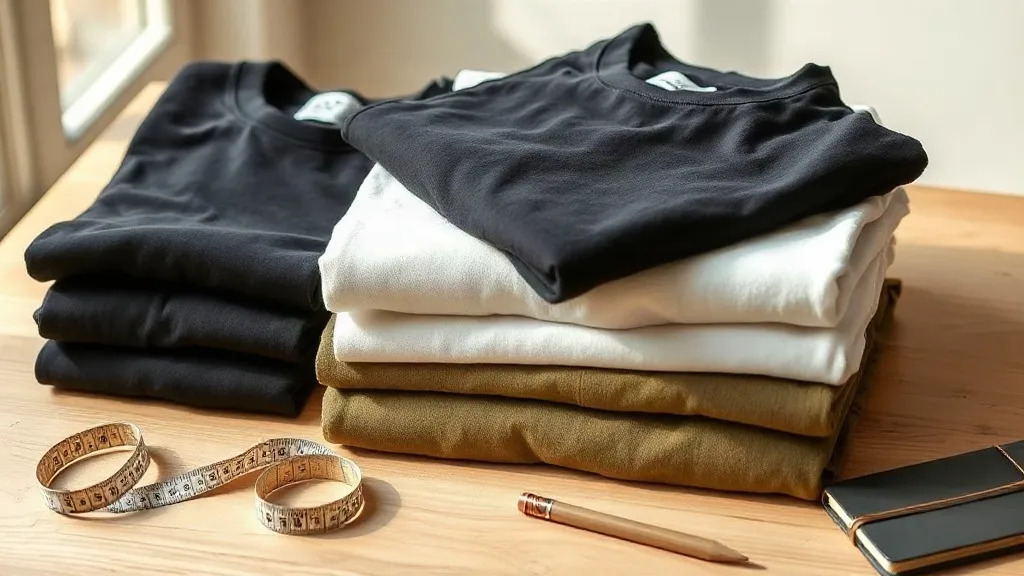
You have the design, the mockups, and a launch date circled on the calendar. What you do not have yet is a reliable answer to a deceptively simple question: which blank actually carries your brand? For a growing streetwear label, the blank is not a commodity. It is the physical product your customer touches before they ever read your story. This playbook walks through how to source shaka wear with the same rigor you apply to design, from evaluating hand-feel and stitch density to building a size curve that protects your margin when the drop goes live.
Why the Blank Decision Deserves Its Own Spreadsheet
Most first-time brand owners spend weeks on artwork and about twenty minutes on fabric. That ratio gets expensive fast. A blank that shrinks unpredictably, pills after two washes, or prints with a muddy edge turns a premium price point into a refund request. The blank is the one variable you control completely before your logo ever touches it. Treat it like a supplier decision, not an afterthought.
Streetwear customers are unusually literate about fabric. They know what 6.5 oz cotton feels like against 5.3 oz, and they will say so in reviews. That literacy is an opportunity: if your blank feels substantial in the hand, your brand inherits that credibility. If it feels thin, no amount of good photography fixes it.
The Evaluation Criteria That Actually Predict Problems
Before you commit to a supplier, run every candidate blank through the same five checks. This is the part of sourcing that separates brands with repeat customers from brands with one good launch.
1. Fabric weight and hand-feel
Weigh the garment yourself if you can. A heavyweight tee in the 6 to 7 oz range reads as premium on the shelf and holds structure through repeated washes. Midweight blanks around 5 to 5.5 oz feel softer and drape more, which suits relaxed fits and women's cuts. Neither is better in the abstract; the question is whether the weight matches the silhouette you are selling. A boxy oversized tee in a light fabric collapses. A slim tee in a heavy fabric can feel stiff.
2. Shrinkage behavior after a real wash cycle
Wash one sample in hot water, tumble dry it on medium, and measure it against the spec sheet. Most cotton blanks shrink somewhere between 3 and 7 percent in length, and the difference between the top and bottom of that range is the difference between a tee that still fits after a month and one that becomes a crop top. If you are selling pre-shrunk goods, verify the claim yourself. Your customer will.
3. Stitch density and seam construction
Turn the garment inside out. Look at the shoulder seam, the neck binding, and the hem. Double-needle stitching on the hem and a ribbed neckband that holds its shape after stretching are baseline expectations at a premium price. Single-stitch hems and flimsy neck tape are the first things to fail, and they fail in the wash, which means they fail after your return window has closed.
4. Color consistency across the run
Order a sample in the exact colorway you plan to sell. Then order a second one a few weeks later. Dye lots drift, and a heather grey that matched your Pantone reference in March may read warmer in June. For a brand selling matching sets or restocking a bestseller, that drift is a customer service problem. Ask your supplier how they handle lot consistency before you scale.
5. Print and embroidery compatibility
If you screen print, test a small run on the actual blank before your production order. Plastisol, water-based, and discharge inks all behave differently depending on fabric weight and finish. Heavyweight cotton with a tight knit takes a crisp plastisol print but can resist water-based ink penetration. If embroidery is part of your line, check that the fabric density supports a clean stitch-out without puckering, especially on caps and heavier garments.
Shaka Wear vs. Smart Blanks: A Side-by-Side Framing
Two names come up constantly in sourcing conversations, and they serve different jobs. shaka wear is the heavyweight, structured option that suits boxy cuts, layered looks, and brands building a premium identity around substance. smart blanks tends to appeal to labels that want a softer hand-feel, a lighter drape, and a lower entry cost for testing new designs.
The mistake is treating this as a binary. Many successful labels run both: shaka wear for the flagship heavyweight tee that anchors the collection, and smart blanks for seasonal color experiments or lower-priced entry products. What matters is that your customer understands why one tee costs more than the other, and that the difference is visible in the product itself, not just the price tag.
Building a Size Curve That Protects Your Margin
Size curve planning is where sourcing discipline shows up on the P&L. Overbuy smalls and mediums and you will discount them in six weeks. Underbuy larges and extra-larges and you will leave full-price revenue on the table while your best customers wait for a restock that may never come.
A workable starting curve for a unisex streetwear tee looks roughly like this: small 10 percent, medium 25 percent, large 30 percent, extra-large 22 percent, double-XL 10 percent, and triple-XL 3 percent. Adjust based on your own sales history, but resist the urge to order evenly across sizes. Streetwear skews larger than traditional retail, and a curve that ignores that reality will strand inventory in the smallest sizes.
How many units per size for a first drop?
For a new design with no sales history, a common approach is a minimum viable run of 24 to 36 units per colorway spread across the curve above, plus a small buffer in large and extra-large. That is enough to test demand without tying up cash in a size nobody wants. If the design sells through in two weeks, you have data for a larger reorder and a supplier relationship warm enough to prioritize your restock.
Color Planning Without Overextending
Every additional colorway multiplies your inventory commitment and complicates photography, packaging, and restocking. A first drop with four colors is already ambitious. Choose two core colors that will carry the brand long term, one seasonal accent, and one experimental color you can discontinue without regret. Black and a warm off-white are perennial sellers for a reason: they photograph well, they hide minor print imperfections, and they do not go out of style between drops.
If you are working with a supplier who offers matching youth sizes or companion pieces in the same dye lot, ask about it early. Coordinating family sets or matching hoodie-and-tee bundles is much easier when the colors come from the same production run.
The Hidden Costs Nobody Warns You About
Blank cost per unit is only the beginning. Freight, import duties if you are sourcing internationally, warehousing, and the labor cost of folding and tagging all add up. A blank that costs two dollars more per unit but arrives pre-shrunk, consistently dyed, and ready to print may be cheaper in total than a bargain blank that requires extra QC and generates returns.
Budget for a 5 to 10 percent defect and damage allowance on any large order. It is not pessimism; it is standard practice. Suppliers who push back hard on that allowance are telling you something about how they handle problems after the invoice is paid.
Questions to Ask Before You Place a Wholesale Order
Bring this list to every supplier conversation. The answers will tell you more than any catalog photo.
- What is the exact fabric weight and composition, and is it measured before or after wash?
- What is the verified shrinkage rate, and under what wash conditions was it tested?
- Can you provide a sample in the exact colorway and size I plan to order?
- What is your policy on dye lot consistency for reorders?
- What is the defect rate you consider acceptable, and how are claims handled?
- What are the lead times for a first order versus a reorder?
A supplier who answers these clearly and without defensiveness is a supplier worth a long-term relationship. Vague answers about shrinkage or dye lots are a warning sign, not a negotiating tactic.
Frequently Asked Questions
Is shaka wear a good choice for a first streetwear drop?
Yes, particularly if your brand identity leans toward structured, heavyweight garments. The fabric weight gives your first product a premium feel that supports a higher price point, and the durability reduces return risk. The trade-off is a higher unit cost, so plan your retail price and margin before you commit to a full run.
How do I choose between shaka wear and smart blanks for a new design?
Match the blank to the silhouette and the price tier. Boxy, oversized, and layered looks benefit from a heavier blank like shaka wear. Softer, draped, or fitted cuts often work better on a lighter blank. If you are testing a new design with limited capital, a lighter blank lowers your risk per unit while you learn what your audience responds to.
What size curve should a new brand order for a unisex tee?
Start with a curve weighted toward medium, large, and extra-large, since streetwear skews larger than traditional retail. A rough split of 10 percent small, 25 percent medium, 30 percent large, 22 percent extra-large, 10 percent double-XL, and 3 percent triple-XL is a reasonable starting point. Adjust based on your own customer feedback after the first drop.
How much shrinkage should I expect from a heavyweight cotton tee?
Most heavyweight cotton blanks shrink in the range of 3 to 7 percent in length after a hot wash and tumble dry, depending on the specific fabric and finish. Always test a sample yourself rather than relying solely on the spec sheet, and communicate care instructions clearly on your product pages to set accurate expectations.
Can I mix shaka wear and smart blanks in the same collection?
Absolutely, and many labels do. Use the heavier blank for your flagship products and the lighter blank for seasonal experiments, entry-price items, or designs where drape matters more than structure. The key is to make the difference intentional and explain it to your customer, so the price difference feels justified rather than arbitrary.