
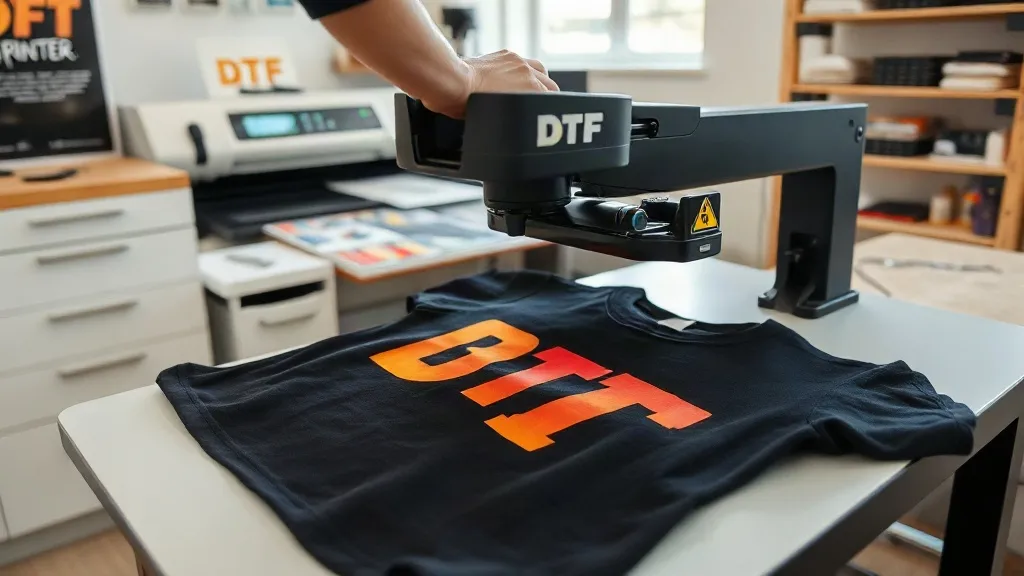
Custom apparel printing has evolved dramatically over the past decade, and one technology that has captured the attention of both hobbyists and professionals is DTF printing. Unlike traditional methods that require specialized equipment or messy processes, dtf transfers offer a versatile, cost-effective solution for bringing vibrant designs to life on fabric. Whether you're running a small print shop, starting a side hustle, or simply want to personalize your own clothing, understanding DTF transfers can open up a world of creative possibilities.
What Are DTF Transfers?
DTF stands for Direct-to-Film. It's a printing method where your design is printed onto a special film, then coated with a powder adhesive and cured. The resulting transfer can be applied to a wide range of fabrics using a heat press. Unlike DTG (Direct-to-Garment) printing, which requires the fabric to be pre-treated and is mostly limited to cotton, dtf transfers work on almost any material, including polyester, blends, and even nylon. This flexibility makes DTF a favorite for those who want to print on diverse garments without investing in multiple technologies.
The DTF Printing Process Step by Step
Understanding the DTF process helps you appreciate why it's so effective. Here's a breakdown of the key stages:
1. Design Preparation
Start with a high-resolution image, preferably in PNG format with a transparent background. The printer software will mirror the image automatically, so you don't need to flip it yourself. Ensure your design is sized appropriately for the garment area you plan to decorate.
2. Printing onto Film
A DTF printer uses specialty inks (often pigment-based) to print the design onto a PET film. The printer lays down a layer of white ink first, followed by the color layers. This white base is crucial for making the colors pop on dark fabrics.
3. Powder Application
While the ink is still wet, a hot-melt adhesive powder is applied evenly over the printed area. The excess powder is shaken off, and the film is then heated to melt the powder, creating a dry, tacky surface that will bond with the fabric.
4. Curing
The film is cured in an oven or using a heat press to fully melt the powder. Proper curing ensures the transfer adheres well and withstands washing.
5. Heat Press Application
Finally, the transfer is placed on the garment and pressed with a heat press at around 300-320°F (150-160°C) for 10-15 seconds. After pressing, you wait for it to cool before peeling the film. The result is a smooth, durable print that feels soft to the touch.
Why Choose DTF Transfers?
There are several compelling reasons to consider DTF for your apparel decoration needs:
- Versatility: Works on cotton, polyester, blends, and even treated nylon. No need for pre-treatment.
- Durability: Prints resist cracking, fading, and peeling even after multiple washes.
- Vibrant Colors: The white ink base allows for bright, opaque colors on any fabric color, including dark shirts.
- Cost-Effective: No minimum order quantities, and the supplies are relatively inexpensive compared to other methods.
- Easy to Use: With a heat press and a DTF printer, you can produce transfers in-house without extensive training.
Applications of DTF Transfers
DTF transfers are incredibly versatile and can be used for:
- Custom t-shirts, hoodies, and sweatshirts
- Sports jerseys and team uniforms
- Promotional merchandise for businesses
- Personalized gifts (baby onesies, aprons, tote bags)
- Fashion apparel with detailed designs
Because DTF works on so many materials, it's a go-to solution for Print on Demand (POD) businesses and small brands looking to offer a wide range of products.
How to Get Started with DTF Printing
If you're ready to dive into DTF printing, here's a simple roadmap:
- Invest in a DTF Printer: Entry-level models are available for around $1,500-$3,000. Look for ones with good reviews and reliable support.
- Choose Quality Supplies: Use reputable DTF film and powder to ensure consistent results.
- Master the Heat Press: Practice with different fabrics and settings to find what works best.
- Design and Print: Start with simple designs and gradually tackle more complex artwork.
- Market Your Services: If you're turning this into a business, leverage social media and local events to showcase your work.
Finding DTF Transfers Near You
While many people invest in their own DTF setup, others prefer to buy pre-made transfers or use local services. If you're searching for dtf transfers near me, you'll find options ranging from online retailers to local print shops that offer custom transfers. Supporting local businesses can be beneficial for quick turnaround times and personalized service. However, online suppliers often provide a wider variety of designs and competitive pricing.
Common Mistakes to Avoid with DTF Transfers
Even though DTF is user-friendly, some pitfalls can affect your results:
- Insufficient pressure: Make sure your heat press applies even pressure across the transfer.
- Wrong temperature: Too hot or too cold can lead to poor adhesion or scorching.
- Not pre-pressing the garment: Always pre-press to remove moisture and wrinkles.
- Peeling too soon: Wait for the transfer to cool completely before peeling the film.
- Using low-quality film: Cheap film can cause ink bleeding or poor release.
Frequently Asked Questions About DTF Transfers
How long do DTF transfers last?
With proper application and care, DTF transfers can last as long as the garment itself. They are resistant to cracking and fading, and can withstand dozens of washes. To maximize longevity, wash inside out in cold water and avoid harsh detergents.
Can I use DTF transfers on dark shirts?
Absolutely! One of the biggest advantages of DTF is that it includes a white ink layer, which makes colors vibrant on both light and dark fabrics. You don't need to worry about the design getting lost on a black t-shirt.
Do I need a special printer for DTF?
Yes, DTF requires a dedicated DTF printer that uses pigment inks and has a white ink channel. However, you can also purchase pre-printed DTF transfers from suppliers and apply them with just a heat press, which is a great option for beginners.
What fabrics work best with DTF transfers?
DTF works on a wide range of fabrics, including cotton, polyester, cotton-poly blends, and even nylon. It's not recommended for fabrics with a heavy texture or those that cannot withstand heat (like some synthetics). Always test on a small area first.
Is DTF printing cost-effective for small businesses?
Yes, DTF is very cost-effective, especially for small batches and one-off items. There's no minimum order, and the supplies are relatively inexpensive. It allows you to offer custom apparel without holding large inventory.
DTF transfers have revolutionized the custom apparel industry by making it accessible, affordable, and versatile. Whether you're a crafter or a business owner, incorporating DTF into your workflow can help you deliver high-quality, durable prints that customers love. So why not give it a try? Explore the possibilities and see how DTF can elevate your creations.