
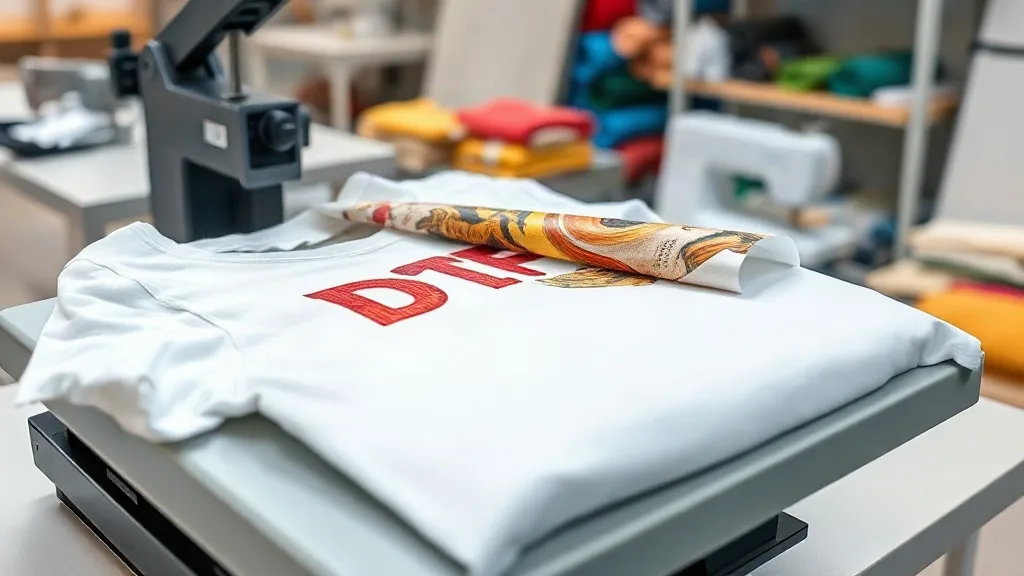
Custom apparel has never been more accessible, thanks to advances in printing technology. Among the most exciting developments is dtf transfers, a method that allows anyone to create vibrant, durable designs on a wide range of fabrics. Whether you're a small business owner looking to offer personalized products or a DIY enthusiast wanting to add a personal touch to your wardrobe, understanding DTF transfers can open up a world of creative possibilities.
In this guide, we'll walk you through what dtf transfers are, how they work, and why they might be the perfect solution for your next project. We'll also share practical tips to help you achieve professional-quality results every time.
What Are DTF Transfers?
DTF stands for Direct to Film. It's a printing technique where your design is printed onto a special film, then coated with a powder adhesive and cured. The resulting transfer can be applied to fabrics using a heat press. Unlike other methods like screen printing or vinyl cutting, DTF transfers don't require pre-treatment of the fabric and work on almost any material, including cotton, polyester, blends, and even nylon.
How DTF Transfers Work: A Step-by-Step Overview
Understanding the process helps you appreciate the versatility of DTF transfers. Here's a simplified breakdown:
- Design Preparation: Your artwork is prepared digitally, ensuring it's mirrored and properly sized.
- Printing: The design is printed onto a special PET film using a DTF printer with pigment inks.
- Powder Application: While the ink is still wet, a hot-melt adhesive powder is applied evenly over the design.
- Curing: The film is then heated to melt the powder, creating a dry, tacky surface.
- Transfer: The film is placed on the fabric and pressed with a heat press, transferring the design permanently.
This process results in a soft, stretchable print that adheres strongly to the fabric, with excellent wash durability.
Why Choose DTF Transfers for Your Custom Apparel?
DTF transfers offer several advantages over traditional decoration methods. Let's explore the key benefits.
1. Unmatched Versatility
One of the biggest advantages of DTF transfers is their ability to adhere to a wide range of fabrics. Whether you're working with 100% cotton t-shirts, polyester jerseys, or even canvas bags, DTF transfers deliver consistent results. This makes them ideal for mixed-material projects or when you're unsure about fabric composition.
2. Vibrant, Detailed Prints
DTF printing uses pigment inks that produce bright, saturated colors. The technology supports high-resolution details, gradients, and photographic images without the need for color separation. This means you can achieve complex designs with ease.
3. Durability and Washability
When applied correctly, DTF transfers are highly durable. They resist cracking, peeling, and fading even after multiple washes. The prints remain soft and flexible, moving with the fabric without feeling stiff.
4. Cost-Effective for Small Runs
Unlike screen printing, which requires separate screens for each color and becomes cost-effective only for large orders, DTF transfers are economical for short runs. You can print one-off designs or small batches without incurring high setup costs.
5. No Pre-Treatment Required
Many other printing methods, such as DTG (Direct to Garment), require pre-treating the fabric to ensure ink adhesion. DTF transfers eliminate this step, saving time and reducing chemical use.
Applications of DTF Transfers
The versatility of DTF transfers makes them suitable for a myriad of applications:
- Custom T-shirts: Perfect for personalized gifts, team uniforms, or promotional wear.
- Sportswear: The stretchability of DTF prints makes them ideal for jerseys and activewear.
- Accessories: Add designs to tote bags, hats, and backpacks with ease.
- Workwear: Create professional-looking uniforms with logos and names.
- Home Decor: Personalize pillows, curtains, and other fabric items.
Tips for Successful DTF Transfer Application
To get the best results from your DTF transfers, follow these practical tips.
Choose the Right Fabric
While DTF works on many fabrics, some perform better than others. Cotton and polyester blends yield excellent results. For stretchy fabrics, ensure the transfer is applied with enough pressure to bond without over-stretching.
Preheat the Fabric
Before applying the transfer, preheat the garment for a few seconds to remove moisture and wrinkles. This helps the transfer adhere evenly.
Use Consistent Pressure and Temperature
Follow the recommended settings for your heat press. Typically, a temperature of 300-320°F (150-160°C) and medium to firm pressure for 10-15 seconds works well. Always test on a scrap piece first.
Peel Carefully
After pressing, allow the transfer to cool completely before peeling the film. This ensures the design stays intact and adheres fully to the fabric.
Wash Inside Out
To prolong the life of your DTF-printed apparel, wash it inside out in cold water and tumble dry on low. Avoid ironing directly over the print.
DTF vs. Other Printing Methods
How does DTF compare to other popular techniques? Here's a quick comparison.
- DTF vs. Screen Printing: Screen printing is cost-effective for large orders but requires setup and is limited to certain fabrics. DTF is better for small runs and complex designs.
- DTF vs. DTG: DTG requires pre-treatment and works best on 100% cotton. DTF works on more fabrics and has no pre-treatment step.
- DTF vs. Vinyl: Vinyl is limited to simple designs and solid colors. DTF handles full-color, detailed images with ease.
Frequently Asked Questions About DTF Transfers
What fabrics can I use with DTF transfers?
DTF transfers work on a wide range of fabrics, including cotton, polyester, blends, nylon, and even leather. They are not recommended for fabrics with a high spandex content or those with a waterproof coating.
How long do DTF transfers last?
With proper application and care, DTF transfers can last as long as the garment itself. They resist fading, cracking, and peeling even after repeated washing.
Can I apply DTF transfers with a home iron?
While it's possible to use a home iron, a heat press is highly recommended for consistent pressure and temperature. Using an iron may result in uneven adhesion and reduced durability.
Do I need special equipment to start with DTF transfers?
To create DTF transfers, you need a DTF printer, DTF film, and adhesive powder. However, you can also purchase pre-printed DTF transfers from suppliers and apply them with a heat press.
Are DTF transfers safe for children's clothing?
Yes, DTF transfers are safe for children's clothing as long as the inks and powders used are non-toxic and comply with safety standards. Always source materials from reputable suppliers.
Final Thoughts
DTF transfers are a game-changer in the world of custom apparel. They offer unmatched versatility, vibrant colors, and durability, making them suitable for a wide range of applications. Whether you're a professional decorator or a hobbyist, incorporating DTF transfers into your workflow can expand your creative possibilities and help you deliver high-quality products to your customers.
Ready to get started? Explore our collection of dtf transfers and find the perfect designs for your next project.