
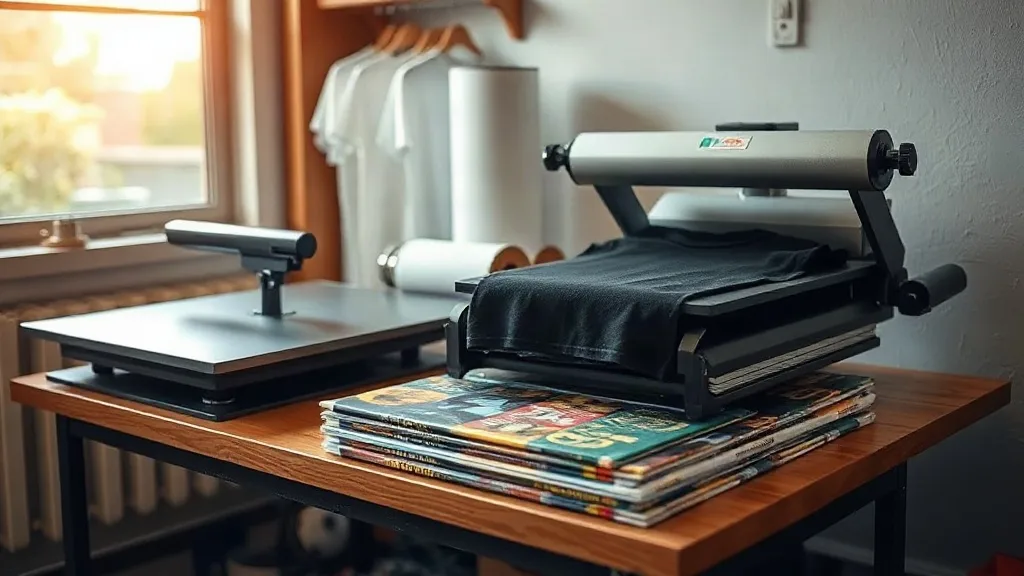
If you have spent any time around a heat press lately, you have probably noticed a shift. The plastisol and vinyl rolls that once dominated small print shops are increasingly sharing shelf space with printed film sheets, and for good reason. DTF transfers give you full-color, photographic-quality prints on almost any fabric without the setup costs of screen printing or the color limits of vinyl. For a blank apparel shop or an independent brand, that combination opens up possibilities that used to require a six-figure equipment budget.
This guide walks through what DTF actually is, how the process works from file to finished garment, and the practical details that separate a print that survives fifty washes from one that peels after three. If you are weighing your options before placing a first order, the information below should help you avoid the mistakes most newcomers make.
What Are DTF Transfers, Exactly?
DTF stands for direct-to-film. Instead of printing ink directly onto a shirt, a printer lays down water-based pigment inks onto a special PET film, then applies a hot-melt adhesive powder over the wet ink. The powder fuses to the ink, the sheet is cured, and what you end up with is a flexible, transferable layer of print that can be stored flat and applied later with a heat press.
The key difference from DTG or screen printing is the separation of printing and application. You can print a hundred designs today, store them in a drawer for months, and press them onto garments only when an order comes in. For anyone running a dtf workflow at small scale, that decoupling is the real advantage. No minimums, no screens, no wasted inventory if a design does not sell.
Why the Film Approach Matters for Small Shops
Traditional screen printing requires a separate screen for every color in a design, plus setup time and cleanup. Vinyl cutting works well for simple shapes but struggles with gradients, fine detail, and photographic images. DTF sidesteps both problems. A single print can include hundreds of colors, halftones, and soft gradients, and the application takes under a minute per piece once you have your press dialed in.
The tradeoff is that you need a reliable heat press and a bit of practice. But the learning curve is short compared to mastering screen exposure or color registration.
How the DTF Process Works Step by Step
Understanding the sequence helps you troubleshoot when something goes wrong. Here is the full chain from digital file to wearable garment.
- Artwork preparation: The design is prepared at 300 DPI with transparent background, then mirrored before printing. Mirroring matters because the film is flipped onto the fabric.
- Printing: A DTF printer lays down a white ink base followed by CMYK color layers. The white base is what allows the print to show up on dark garments.
- Powder application: Adhesive powder is sprinkled over the wet print and shaken off, leaving a thin, even coat bonded to the ink.
- Curing: The sheet passes through a curing oven or under a heat source until the powder melts and the ink sets. Under-curing is the most common cause of wash failure.
- Pressing: The cured transfer is placed on the garment and pressed at the temperature and time recommended by the transfer supplier, usually somewhere between 285 and 320 degrees Fahrenheit for 10 to 15 seconds.
- Peel and post-press: The film is peeled, usually cold or warm depending on the film type, and a second short press covers the print with a protective sheet to lock the adhesive into the fabric fibers.
Each of those steps has a narrow window where quality can slip. The two that catch most people are curing and pressing pressure. A transfer that looks perfect on the sheet can still fail in the wash if the powder was not fully melted.
Choosing the Right Fabric and Garment
One of the reasons DTF has spread so quickly is its fabric tolerance. Cotton, polyester, blends, canvas, and even some nylon materials accept the transfer well. That said, not every garment behaves the same way.
- 100% cotton: Excellent adhesion and soft hand feel. The print sits on the surface and holds up through repeated washing.
- Polyester: Works well, but lower-melt polyester can be sensitive to high press temperatures. Use a pressing pillow or reduce temperature slightly to avoid glazing.
- Cotton-poly blends: Generally trouble-free, though the color of the base fabric can affect how bright whites appear.
- Nylon and coated fabrics: Possible but trickier. Test on a scrap piece before committing to a full run.
- Moisture-wicking synthetics: Some performance fabrics repel the adhesive. A pre-press to remove moisture helps, but always run a wash test.
For blank apparel sourcing, stick with garments you have already tested. A consistent blank makes it far easier to dial in your press settings and keep quality steady across orders.
Finding Quality DTF Transfers Near You
If you do not own a DTF printer, ordering from a supplier is the practical route. Searching for dtf transfers near me will surface local print shops and online suppliers who ship film sheets or gang sheets. Local sourcing has real advantages: faster turnaround, the ability to inspect samples in person, and a direct line to the printer if something goes wrong with a batch.
When evaluating a supplier, ask about ink type, film brand, and curing method. Water-based pigment inks with a quality hot-melt powder produce a softer hand and better wash durability than cheap alternatives. Request a sample sheet and press it onto a scrap garment before placing a bulk order. Then wash that sample at least five times. If the edges lift or the color fades, you have your answer.
Gang Sheets and Cost Efficiency
Most suppliers offer gang sheets, which let you place multiple small designs on a single sheet to reduce waste. If you are printing logos for a team order or a batch of pocket-size graphics, gang sheets can cut your per-unit cost significantly. Plan your layout so designs are spaced at least a quarter inch apart, which makes cutting and peeling easier.
Common Mistakes and How to Avoid Them
Most DTF problems trace back to a handful of avoidable errors. Here are the ones that come up again and again.
- Pressing on a cold platen: Always preheat the press and the garment for a few seconds to remove moisture. Trapped moisture turns to steam and lifts the print.
- Insufficient pressure: Medium to firm pressure is needed for the adhesive to penetrate the fabric fibers. Light pressure leaves the print sitting on top, ready to peel.
- Skipping the post-press: The second press with a cover sheet is not optional. It re-melts the adhesive and smooths the print into the fabric.
- Peeling too hot or too cold: Follow the film manufacturer's peel recommendation. Cold peel films should cool completely before peeling; warm peel films should be removed while still slightly warm.
- Stretching the garment during pressing: Let the garment cool flat. Stretching while hot can distort the print and weaken the bond.
Keeping a simple log of temperature, time, and pressure for each garment type pays off quickly. Once you find settings that work, you can repeat them with confidence.
DTF vs. Other Decoration Methods
It helps to know where DTF fits in the broader landscape. Screen printing remains the most cost-effective option for large runs of one or two colors, and it offers excellent durability. DTG is strong for 100% cotton with soft, breathable prints, but it requires pretreating and struggles on dark polyester. Vinyl is cheap for simple one-color text and shapes, but it cannot handle detail or gradients.
DTF sits in the middle: no minimums, full color, broad fabric compatibility, and decent durability when applied correctly. For small brands, sample runs, and on-demand production, it is often the most flexible choice available.
Frequently Asked Questions
How long do DTF transfers last after washing?
With proper curing and pressing, a quality DTF transfer typically lasts 50 or more washes when the garment is washed inside out in cold water and tumble dried on low. Harsh detergents, high heat, and direct ironing over the print will shorten its life.
Can I apply DTF transfers to dark shirts?
Yes. DTF prints include a white ink base that sits beneath the color layers, so the design shows up clearly on black, navy, and other dark fabrics. The white base is also what makes the print opaque on light garments.
Do I need a special heat press for DTF?
A standard clamshell or swing-away heat press works for most DTF films. What matters is consistent temperature and pressure. Some films require a lower temperature than vinyl, so check the supplier's spec sheet before your first press.
What is the difference between DTF and DTG?
DTG prints ink directly onto the garment, which requires pretreatment and works best on 100% cotton. DTF prints onto film first, then transfers to the garment, which allows it to work on a wider range of fabrics including polyester and blends.
How should I store unused DTF transfers?
Keep them flat, dry, and away from direct sunlight. A cool drawer or a sealed bag works well. Avoid folding the sheets, since creases can transfer to the print and show up on the final garment.
Getting Started Without Overcomplicating It
The appeal of DTF is that it lowers the barrier to producing professional-looking custom apparel. You do not need a warehouse of equipment or a minimum order of fifty pieces. Start with a sample pack, press a few test garments, wash them, and see how the results hold up. Once you have settings you trust, you can scale from a single shirt to a full run without changing your process. The brands that succeed with DTF are usually the ones that treat pressing as a craft rather than an afterthought, and that discipline shows up in every finished piece.