
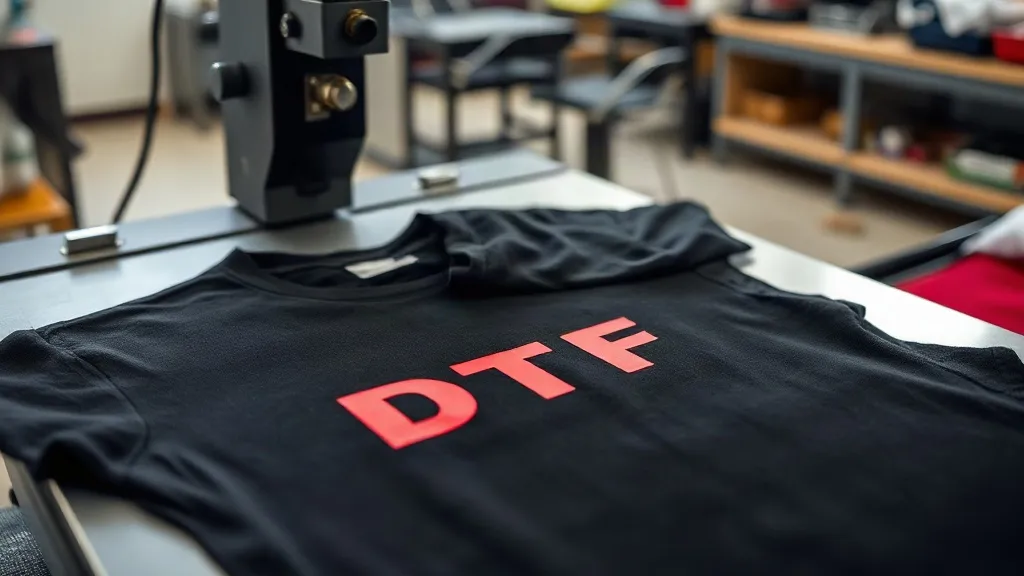
You've invested in a DTF printer, quality film, and premium powder. Your designs look sharp on screen, but the final garment tells a different story: cracked edges, dull colors, or a stiff, plastic-like feel. The culprit is rarely the equipment; it's the application process. DTF transfers are forgiving, but they demand precision. In this guide, we'll walk through the variables that separate a professional-looking print from a amateur one, with actionable steps you can implement in your shop today.
The Foundation: Choosing Blanks That Work With DTF
Not all fabrics are created equal when it comes to dtf printing. The technology excels on cotton, polyester, and blends, but the weave and weight of the garment influence how the transfer adheres and feels. For best results, stick to tightly woven fabrics with a smooth surface. Loosely knit or heavily textured materials can cause the transfer to sit unevenly, leading to premature peeling.
When sourcing blanks, consider the fiber content. 100% cotton offers excellent adhesion and a soft hand, while polyester blends can yield vibrant colors but may require lower pressing temperatures to avoid scorching. If you're unsure where to start, a quick search for dtf transfers near me can connect you with local suppliers who can recommend blanks that pair well with their films. Always test a small sample before committing to a full production run.
Pre-Treatment: The Step You Can't Skip
Before the press even heats up, proper pre-treatment sets the stage. Pre-pressing the garment for 5-10 seconds removes moisture and wrinkles, creating a flat, dry surface. This step is especially critical for cotton, which absorbs ambient humidity. Skipping it can trap moisture under the transfer, causing bubbles or poor adhesion. Use a pressing pillow for garments with seams or zippers to ensure even pressure.
Mastering the Press: Temperature, Pressure, and Time
The three pillars of a successful dtf transfers application are temperature, pressure, and time. While exact settings vary by film brand and garment type, a good starting point is 320°F (160°C) for 10-15 seconds with medium pressure. However, don't treat these numbers as gospel. Invest in a quality heat press with accurate temperature control and a pressure gauge. Inconsistent pressure is a silent killer: too little and the transfer won't bond; too much and the adhesive can bleed, creating a halo effect.
For heat-sensitive fabrics like polyester, lower the temperature to 280-300°F and extend the time slightly. Always use a Teflon sheet or parchment paper between the press and the transfer to protect the film and prevent sticking. After pressing, allow the garment to cool completely before peeling the film. Peeling while hot can stretch the design or leave residue.
Peeling Technique: Hot vs. Cold
Most DTF films are designed for cold peel, meaning you wait until the transfer is completely cool to the touch. This allows the adhesive to set fully, resulting in crisp edges and a smooth finish. However, some films are hot peel, which can speed up production but requires a steady hand. Know your film's specification and stick to it. Rushing the peel is a common mistake that leads to lifted corners or a matte, dull appearance.
Troubleshooting Common DTF Application Issues
Even with careful preparation, problems can arise. Here's how to diagnose and fix the most frequent issues:
- Transfer not adhering: Increase pressure or temperature slightly. Ensure the garment is pre-pressed and free of fabric softener, which can create a barrier.
- Patchy or uneven color: Check for cold spots on your press platen. Use a infrared thermometer to verify even temperature distribution.
- Cracking after washing: This often stems from under-pressing or using too high a temperature that degrades the adhesive. Verify your settings and consider a second press cycle (post-press) for 5 seconds to improve durability.
- Stiff, plastic feel: Excessive pressure or too high a temperature can cause the adhesive to penetrate too deeply. Reduce pressure and ensure you're using a quality film that balances durability with softness.
For more detailed solutions, refer to our dtf transfers troubleshooting guide.
Post-Press Care: Ensuring Longevity
Once the transfer is applied, proper care extends the life of the print. Wait at least 24 hours before washing, and advise customers to turn garments inside out and wash in cold water. Avoid bleach and fabric softeners, and tumble dry on low or hang dry. With correct care, a well-applied DTF transfer can withstand 50+ washes without significant fading or cracking.
Scaling Up: Efficiency Tips for Production
As your order volume grows, consistency becomes paramount. Standardize your process: create a checklist for each garment type, invest in a press with digital controls, and train staff on proper technique. Consider using a dtf gangsheet to maximize film usage and reduce waste. By dialing in your application method, you'll minimize reprints and keep customers coming back.
Frequently Asked Questions
How do I prevent DTF transfers from cracking after washing?
Cracking usually indicates under-pressing or incorrect temperature. Ensure you're pressing at the film manufacturer's recommended temperature (typically 320°F) with medium pressure for the full duration. Also, allow the transfer to cool completely before peeling. Washing inside out in cold water and avoiding high heat in the dryer will further protect the print.
Can I use DTF transfers on 100% polyester garments?
Yes, but you'll need to adjust your settings. Polyester is heat-sensitive, so lower the press temperature to around 280-300°F and reduce pressure slightly to avoid scorching or dye migration. Always test on a scrap piece first, and consider using a lower-temperature film designed for synthetics.
What's the best way to store unused DTF transfers?
Store unused transfers in a cool, dry place away from direct sunlight. Keep them flat or roll them loosely to prevent creasing. Avoid humidity, which can cause the powder to clump. Properly stored transfers remain usable for several months.
Why does my DTF transfer look dull after pressing?
Dullness can result from insufficient pressure, too low a temperature, or peeling too soon. Ensure your press is applying even pressure across the entire design, and always wait for the transfer to cool before peeling. If the problem persists, check the film's shelf life and storage conditions.